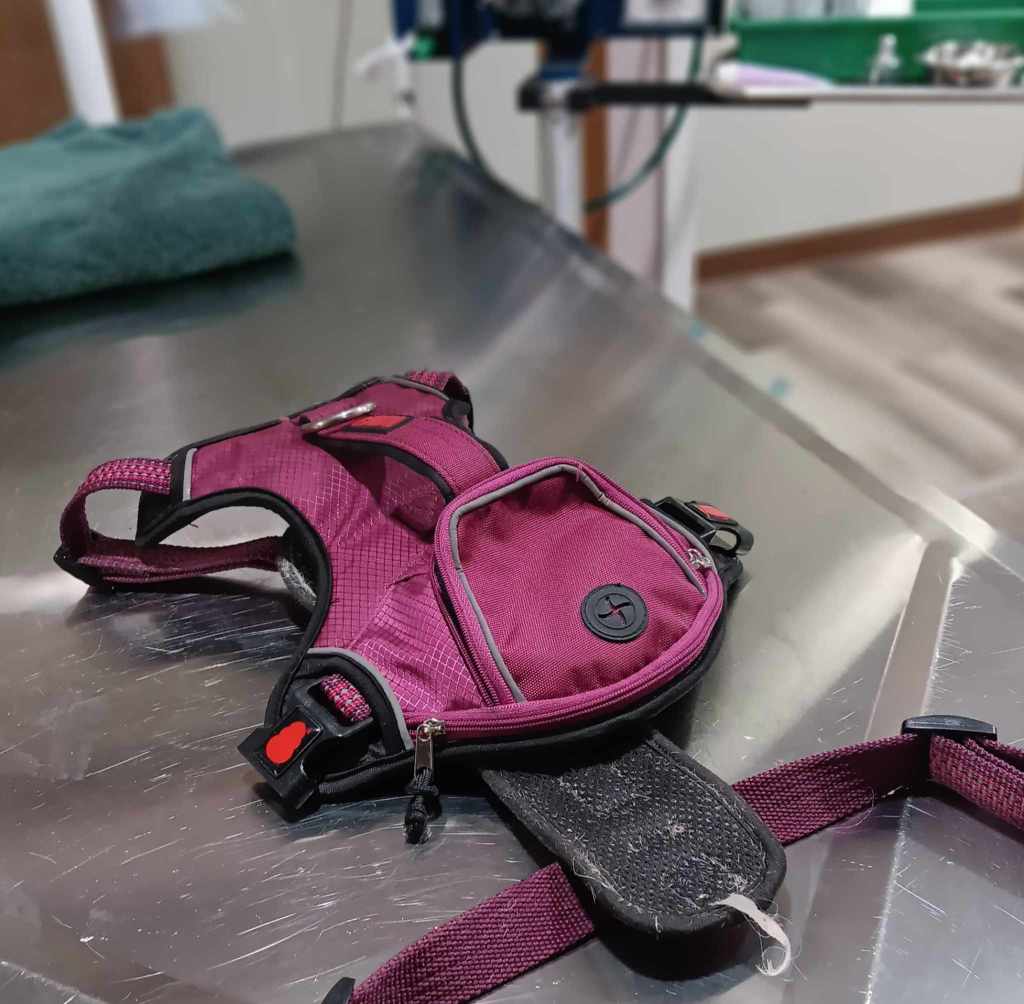
Yesterday, I met the gentle sorrow of an ailing dog during a euthanasia consultation—a moment that reminded me how deeply intertwined my life has become with the final chapters of living. The owners, having exhausted every avenue—from countless tests at an emergency clinic to multiple veterinarians opinions—faced the heart-wrenching reality that answers might never come. In the end, they chose to let their cherished companion pass peacefully, sparing her further suffering as her condition worsened.
In the quiet that followed their decision, the room filled with a solemn reverence. I stepped away to give the couple space for their private goodbye, while behind the scenes we prepared the paperwork and the medication needed for the procedure. Whether owners stay for every heartbeat of the farewell or depart as the process begins I make the promise to stay with the animal, especially if they leave—ensuring that no creature has to face its final moments alone.
It has been nearly two decades since I lost my daughter—a loss that forced me into an unchosen, lifelong dance with death. I did not decide to walk this path rather I was forced upon it. Death chose me, marking my existence with a sorrow and a solemnity that would forever shape my understanding of loss and compassion. Bringing to the forefront the truth about the fragility of life.
In the raw aftermath of her passing, I raged against the merciless force that had stolen her from me. A mother’s heart, meant to cradle and protect, was left with an unfillable void—the agony of not being there in her final moments fueled an intense, burning anger. I would have fought with every fiber of my being to keep her safe, but this turn of fate’s wheel left me powerless, forcing me to confront a reality that I neither selected nor could change.
With time, the sharp edges of my anger softened into a quiet, persistent sorrow. I began to understand that death was not an enemy that could be vanquished, but a part of life’s fragile continuum. We are conditioned to fear death, to see it as a thief that robs us of those we love, but in truth, it is a presence as certain as birth.
It is the final exhale, the closing of a story, a transformation rather than an annihilation. It is not the darkness we assume it to be, but a return to something older than memory itself.
In everyday tragedies . . . a bird injured by the world’s indifference, a stray cat seeking warmth in my arms, or a beloved pet whose eyes slowly dim . . . I recognize the sacred ritual of letting go. These moments teach me that while death is unyielding, it is also a tender transition, imbued with a dignity that I had once failed to see.
Death is not a singular event, but a process—one that begins long before the last breath is drawn. It is the subtle decline of a once-vibrant body, the softening of a gaze that no longer sees this world, the surrender of tension as the spirit prepares for departure. And in this process, there is a profound need for presence. The act of witnessing, of standing beside another being as they slip away, is not just about comfort—it is an acknowledgment of their life, an assurance that they are seen, valued, and loved until the very end.
I learned that my response to death need not be one of unrelenting fury. While I know I could never offer my daughter the calm and compassionate farewell I now provide for animals, it is in these shared, quiet moments that I have found purpose. Standing beside a creature at the threshold of life and death, I offer them the comfort of not being alone—a small act of grace in an otherwise relentless journey.
This intimate understanding led me to seek certification in euthanasia. Not to seize control over life’s final act, but to ensure that a peaceful, dignified passing is available to those in unbearable pain. I have held trembling bodies as their suffering eased, whispered quiet reassurances as they slipped away, and supported grieving owners with the empathy of someone who has weathered profound loss.
I had to choose how I interpret death. How I relate to it. How it fits into my life. Death is with me everyday and learning to coexist with its presence was necessary in order to survive.
Death has become my quiet companion, no longer an adversary but a presence I have learned to stand with. I have seen its gentler side—the way it frees the suffering, the way it offers release where medicine no longer can. Yet, even as I have made peace with death in many forms, I remain forever scarred by my daughter’s absence—a loss that will always echo in my heart. Some losses are too vast, too cruel to be reconciled, and hers will always be one of them.
Still, I have learned that while the weight of passing is heavy, it carries within it the quiet dignity of life itself, a reminder that even in our final moments, we are never truly alone. In standing with death, I do not seek to overcome it, but to bear witness to its presence with grace, knowing that to honor the end is also to honor the love that came before it.

 Words Can Express
One thought on “On Learning to Stand With Death”