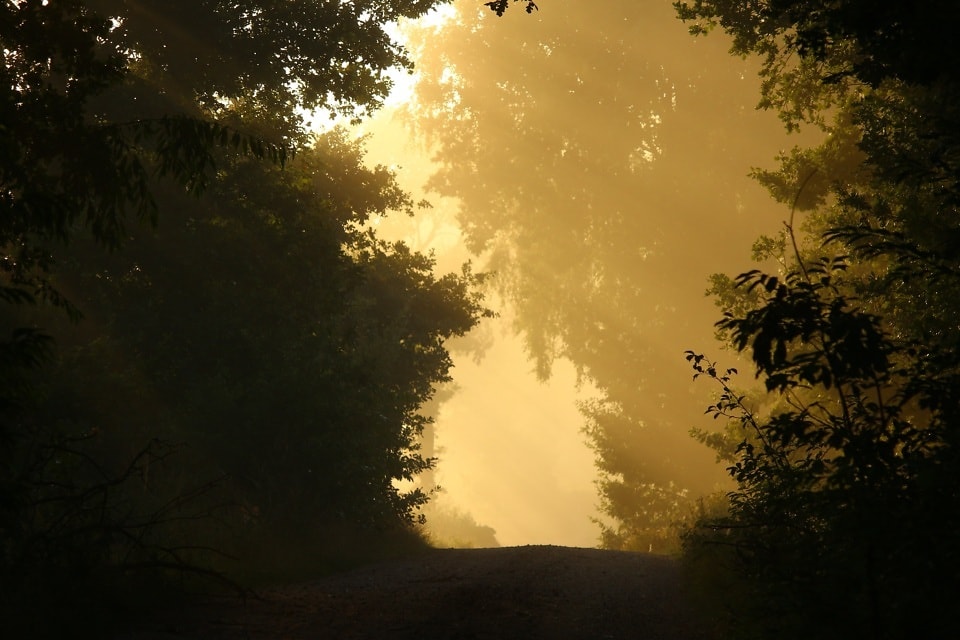
Not my image.
There is a change in the air when summer knows it’s time to begin to say goodbye and make space for the next season. It’s a dance as old as time and the earth moves in practiced step as each of them move forth. And somewhere, just beyond the edge of the clearing, my old friend waits – leaning against an ancient pine, his coat made of fog, his breath heavy with the scent of pine needles and rain. He doesn’t rush me. He knows I’ll come. The blues is patient like that, knowing that when the air thickens and the light tilts, I’ll see him standing there, waiting for me.
I feel him before I see him. Dusk arriving early is always the first sign. My chest tightens; my steps falter – not because I don’t know him, but because I do. He is expected, familiar, but in the early days I wasn’t ready for his company. Our connection is different now. Looking forward to seeing him is too strong but there is a comfort when he’s near.
I nod when I reach him. He nods back. There’s no need for greetings – we have known each other too long. We fall into step, side by side, our pace slow enough to notice the damp grass bending beneath us. The crows follow, black shadows skipping from branch to branch, their wings beating the measure of our walk. He doesn’t speak at first. He never does. It’s me who breaks the silence, asking the same questions I always ask – why now, why again, how long will you stay? He only shrugs, the fog shifting around his shoulders like a cloak. The crows answer in his place, sharp cries echoing through the thinning light.
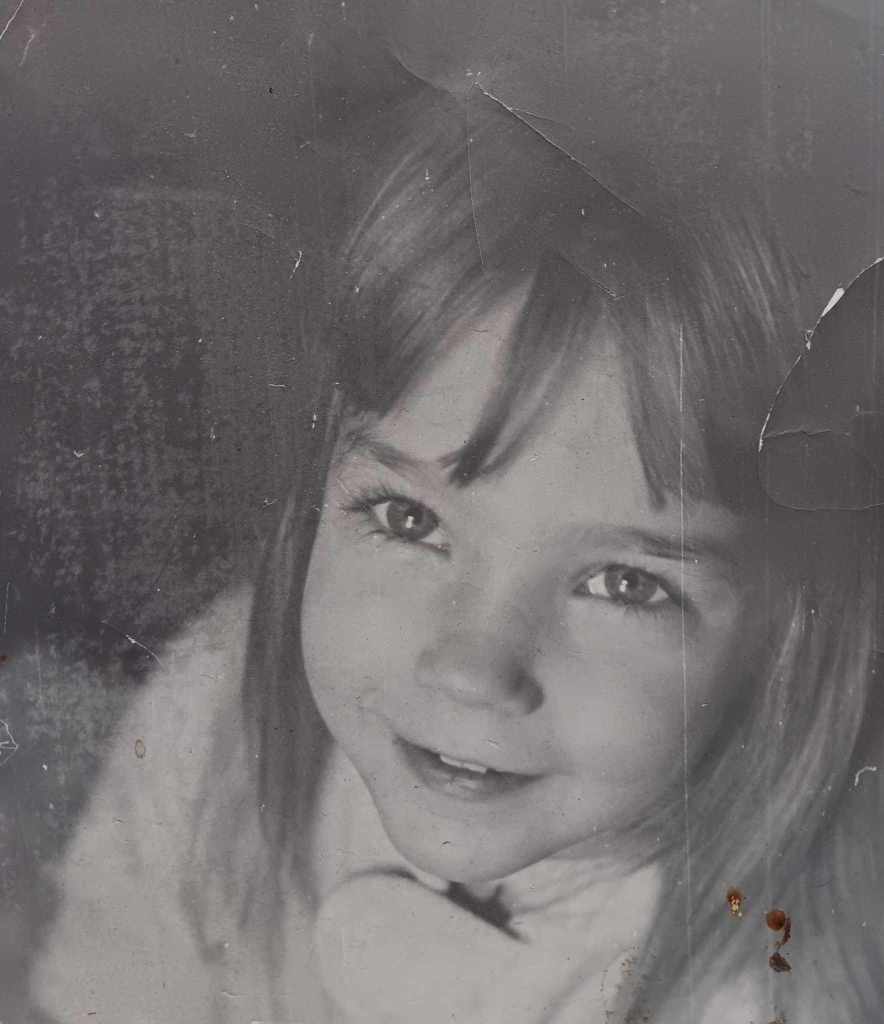
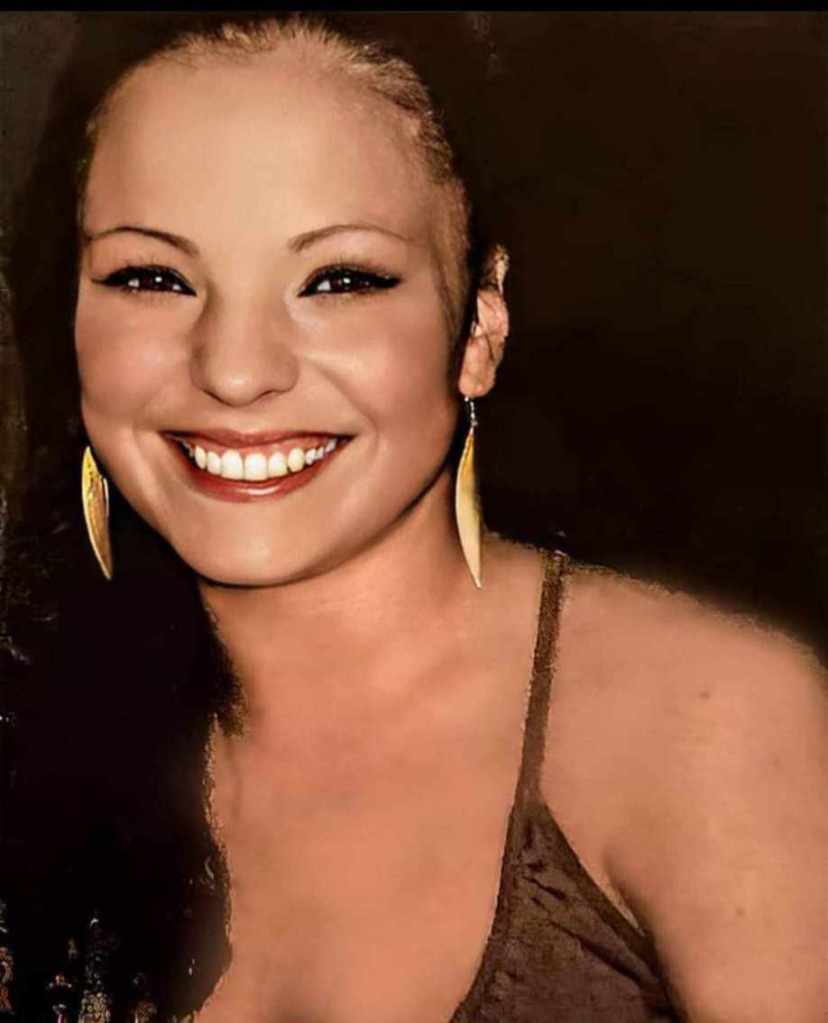
In those early years, the first decade or so after Becca was killed, his presence horrified me. Haunted was how I felt, as if grief were stalking me – waiting around every corner, slipping into every room. He existed only to remind me that my daughter was never coming back. And I hated him for it. His footsteps echoed in mine, heavy and relentless, and no matter how quickly I tried to walk, he was always there. The crows circled above, not companions then but omens, their cries sharp enough to flay. I lived in dread of his visits, even as I knew he would always return.
The season changed quickly this year. I thought I had more time before he appeared. But summer was ready to leave, and autumn was insistent.
We walk for a while in silence before I finally break it. “You’re back early this year,” I say. He shrugs, disturbing the fog around his shoulders. I watch until it settles again. Then he speaks.
“The seasons change when they will. You know that.”
“I do,” I reply. “But sometimes I wish you’d skip a year.”
He chuckles, low and hollow. “You wouldn’t know what to do without me.”
I glance at him. “That used to be true. In the beginning, you terrified me. You felt like a stalker, like grief itself walking at my side. I hated you.”
“And now?” he asks, his voice quieter, like rain slipping through pine needles.
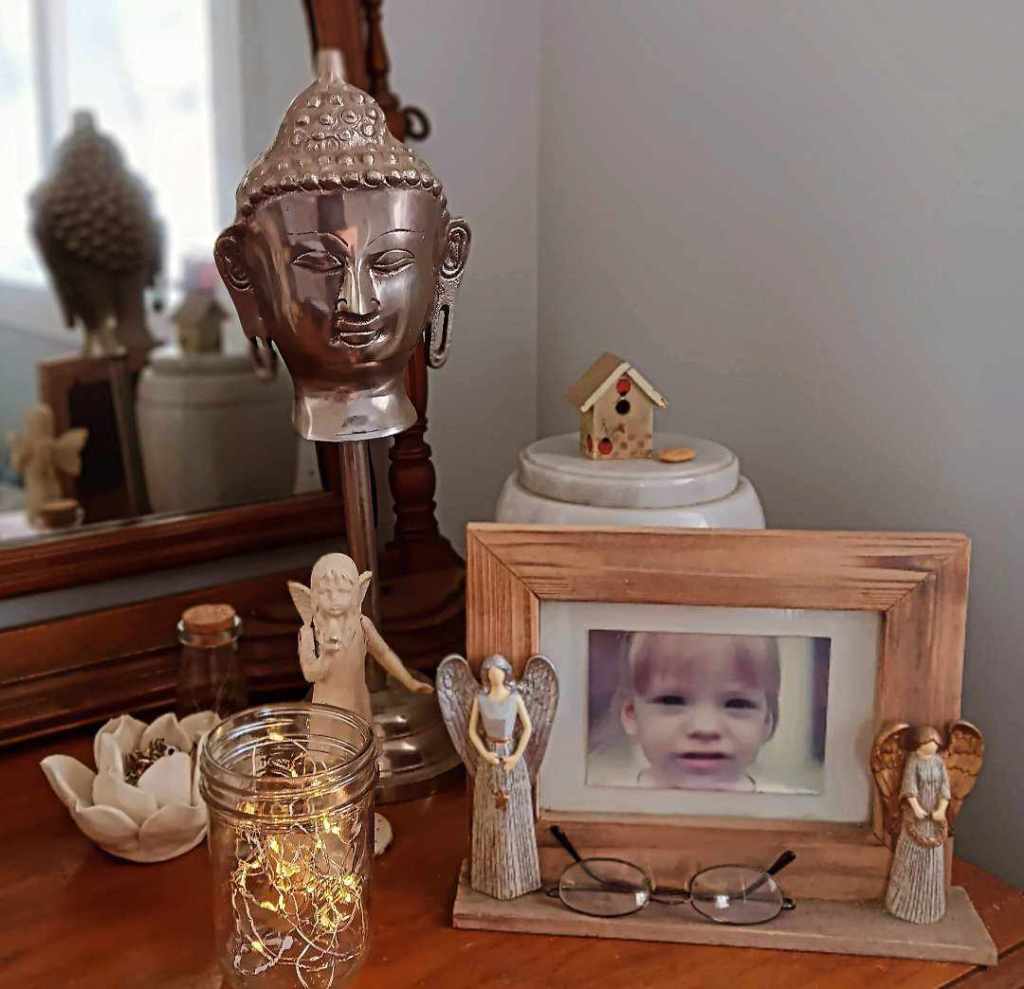
“Now…” I pause, watching the crows settle above us. “Now you’re an old friend I don’t exactly look forward to, but I don’t dread either. You remind me I can still feel. You remind me Becca mattered enough to make me ache.”
He nods, and for a moment, even the crows fall silent. “Then I’ve done my work,” he says.
I don’t answer right away. Part of me wants to snap, to tell him his work was cruel. Part of me wants to thank him, for not letting me forget. What comes out instead is a sigh, heavy as the dusk around us. “Maybe. But you’ll be back again. I don’t think your work is truly ever finished.”
Above us, the crows scatter in all directions, their shrieks falling like shrapnel, leaving the air torn open between us. We stand there, he and I, in the deepening indigo light. For a moment I think of asking him to leave. To never return. But, I know I would miss his companionship.”
I look at my old friend. Once a foe who I felt was here to torment me, now as a trustworthy part of my life. Knowing there is nothing else to say we turn away from each other.
As we move in step, his scent lingers – moss and damp bark, the quiet perfume of things breaking down and beginning again. Comforting, in its way. A reminder that even endings feed the soil. He carries the cycle of life and death in his presence.
We walk until the last light drains from the sky. The crows settle into the branches above, silent now, as if even they know it’s time to rest. He will leave when he chooses, as he always has. But for now, we walk together, and the evening feels less empty with him beside me.


 Words Can Express